Protect the Herd
Mule Deer Collaring in Nebraska
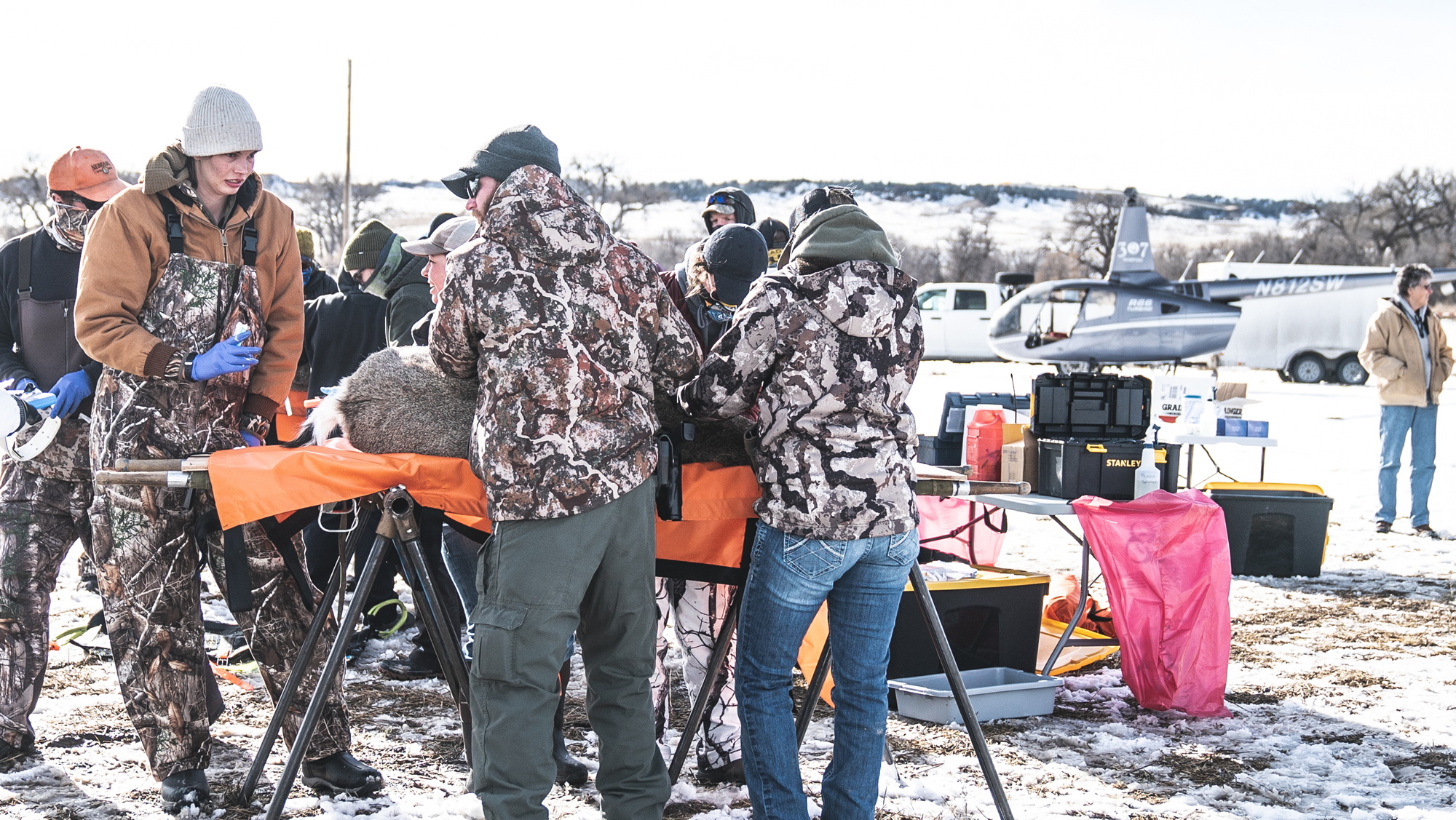
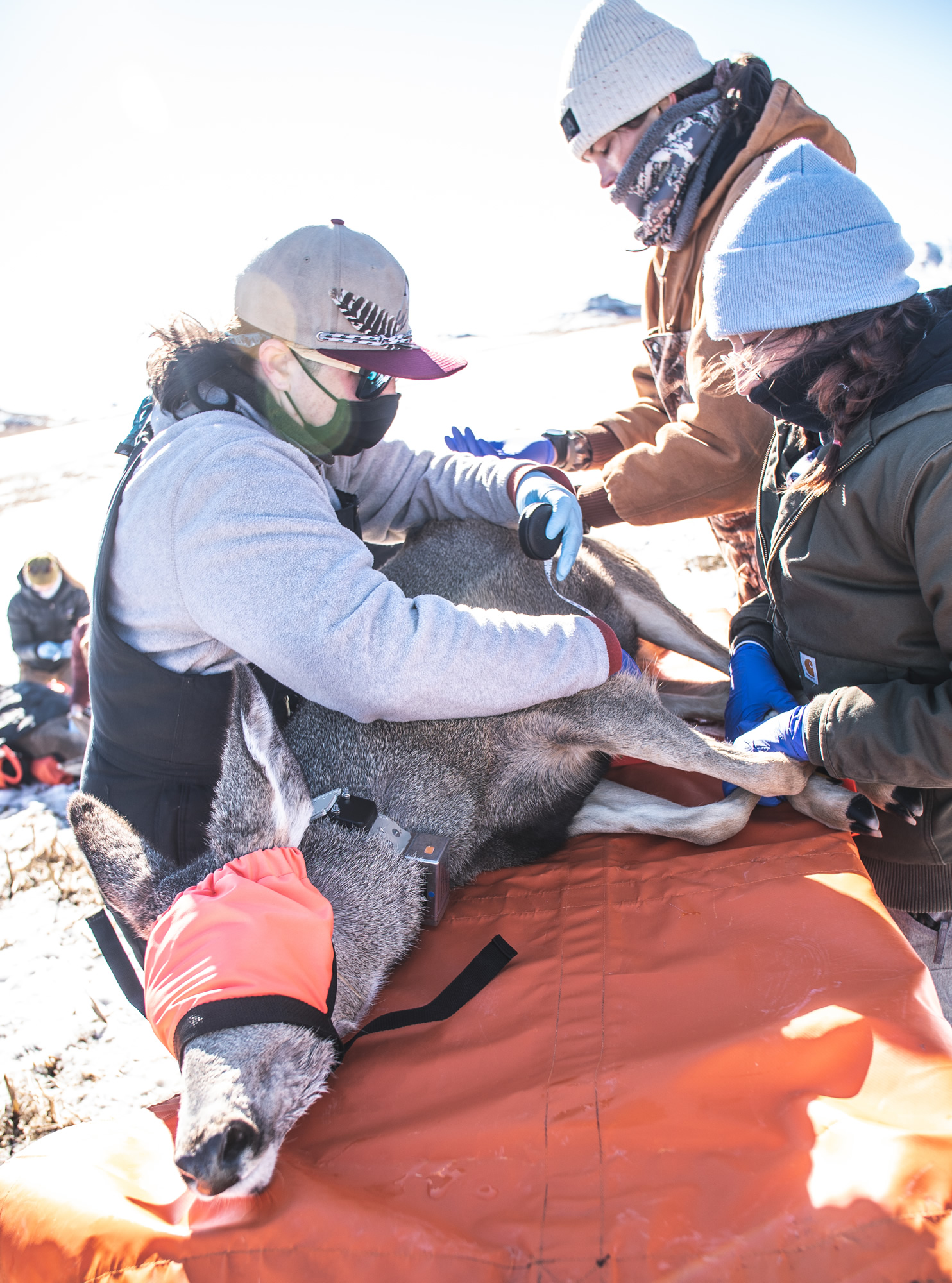
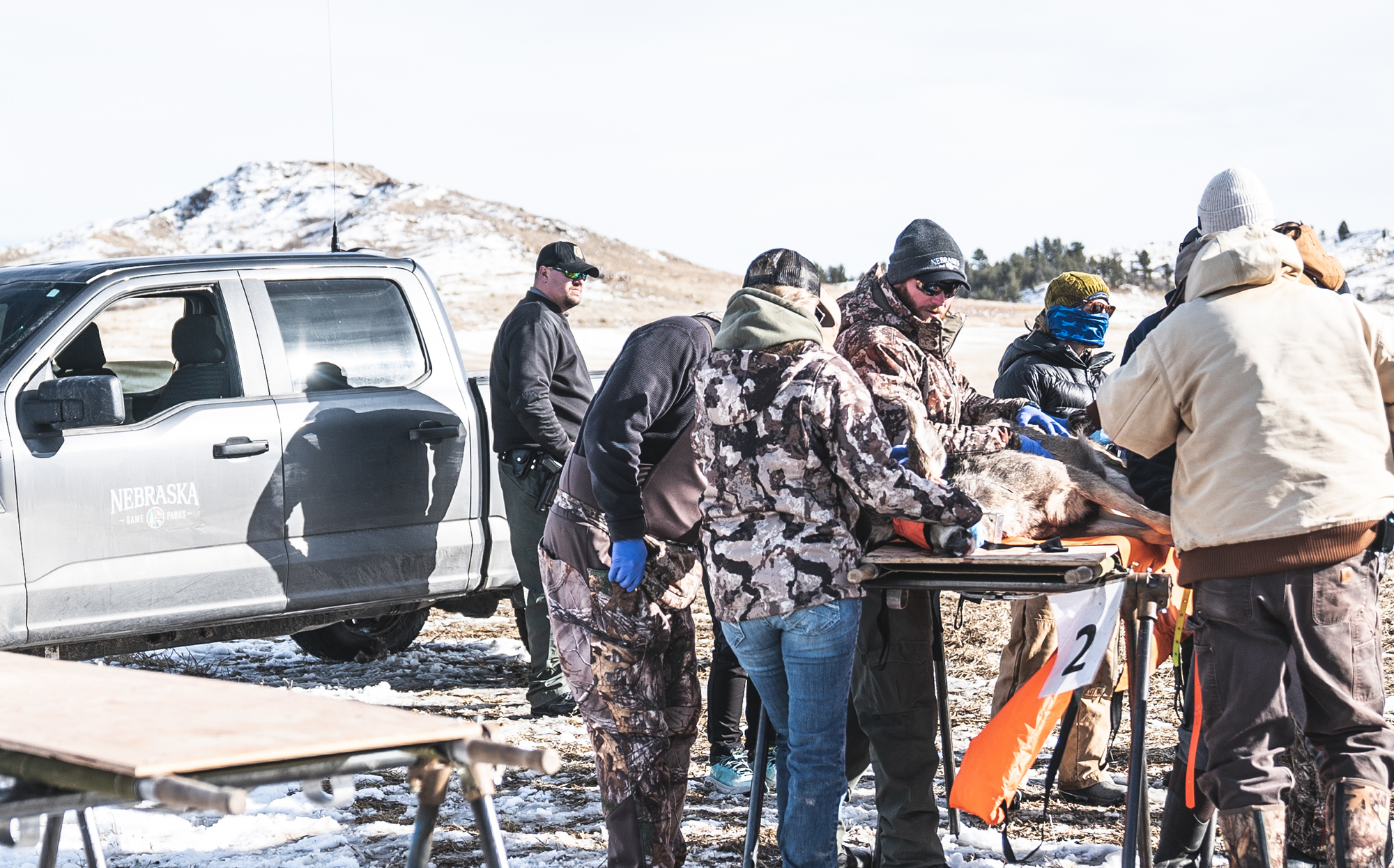
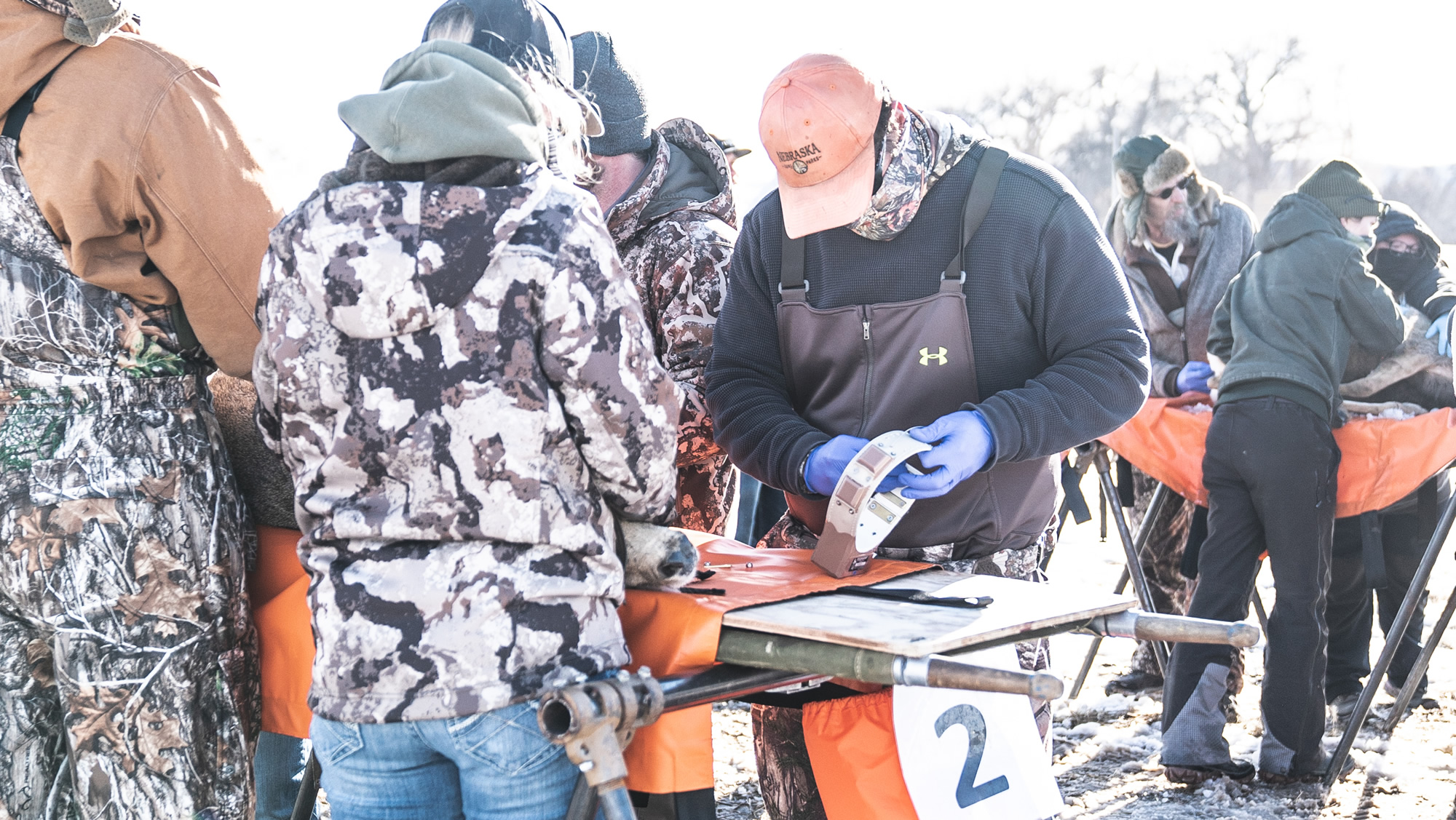
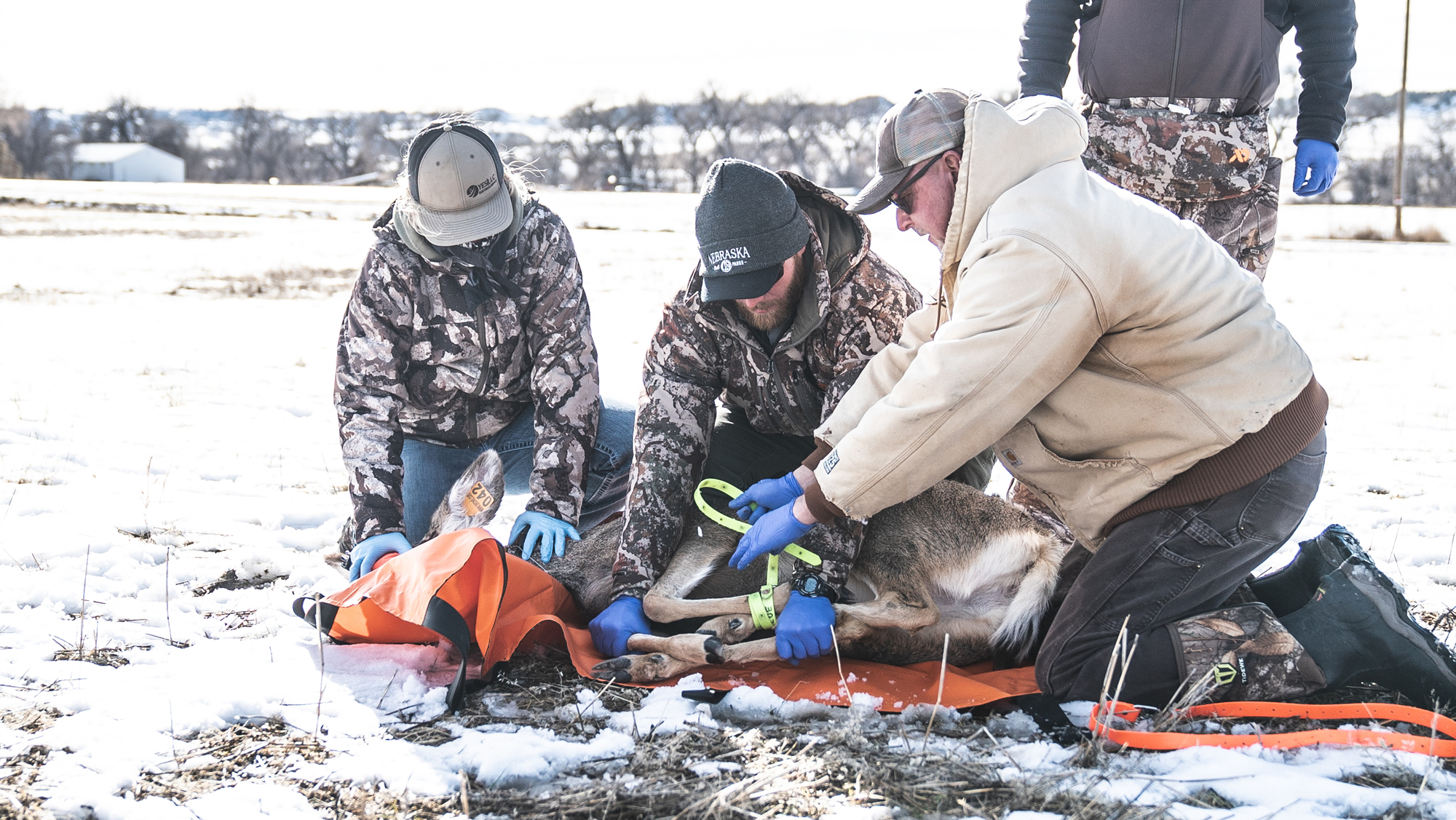
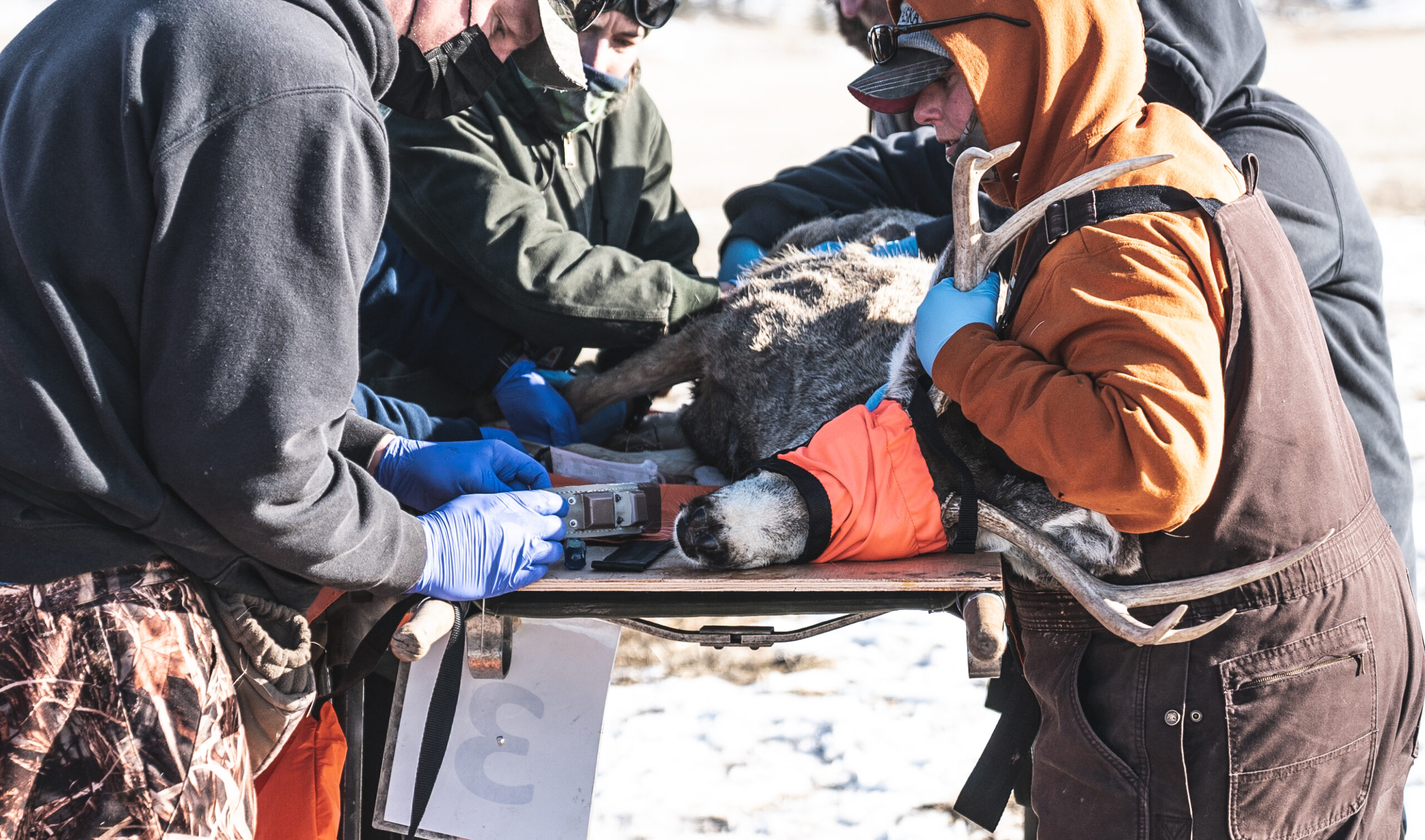
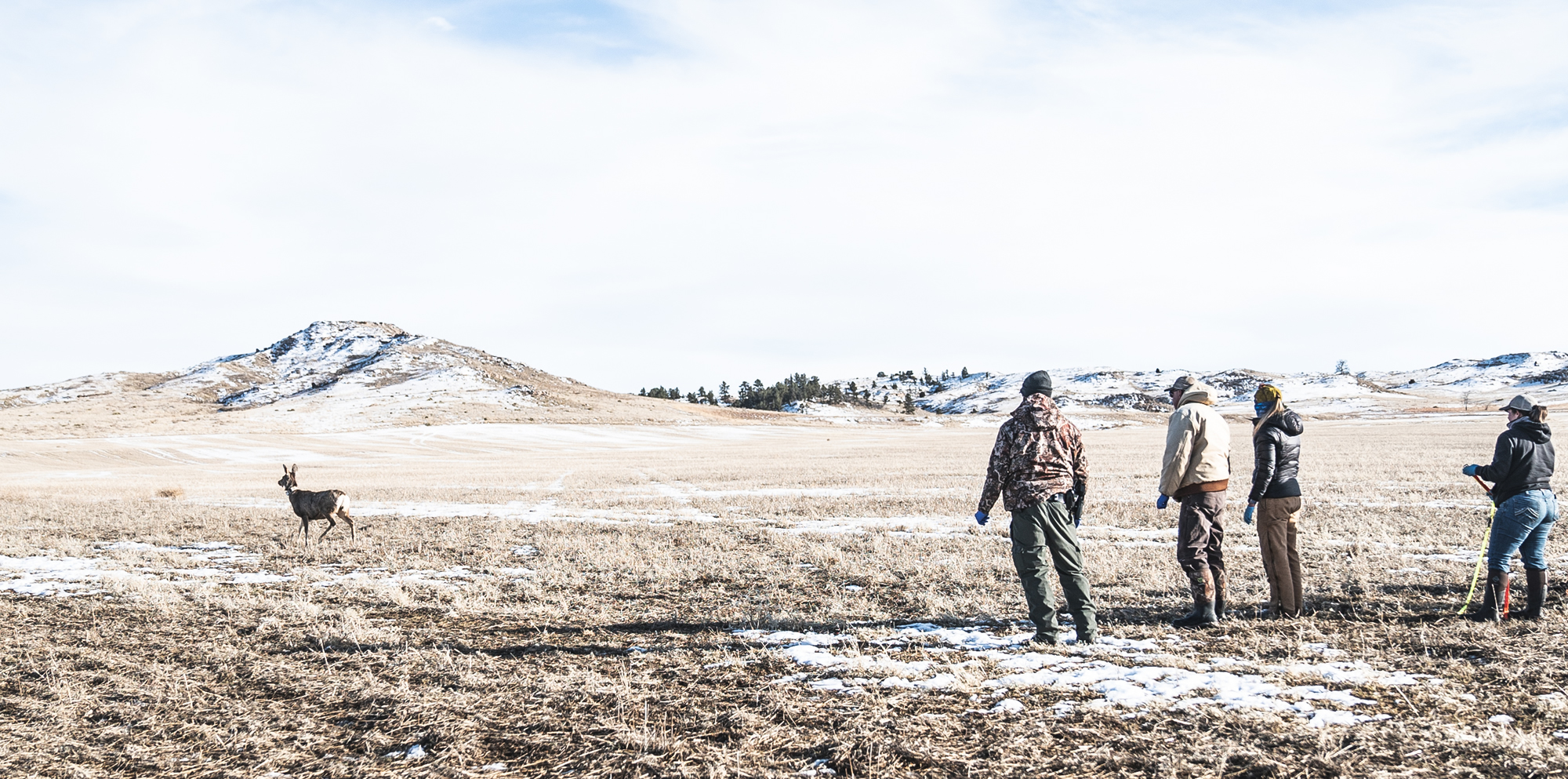
Nebraska’s mule deer are facing growing challenges, and recent population declines have raised important questions about what is happening across the landscape. In partnership with the USDA and the Nebraska Game and Parks Commission, this research is working to uncover the forces shaping the future of one of the West’s most iconic species — and provide wildlife managers with the knowledge to respond.
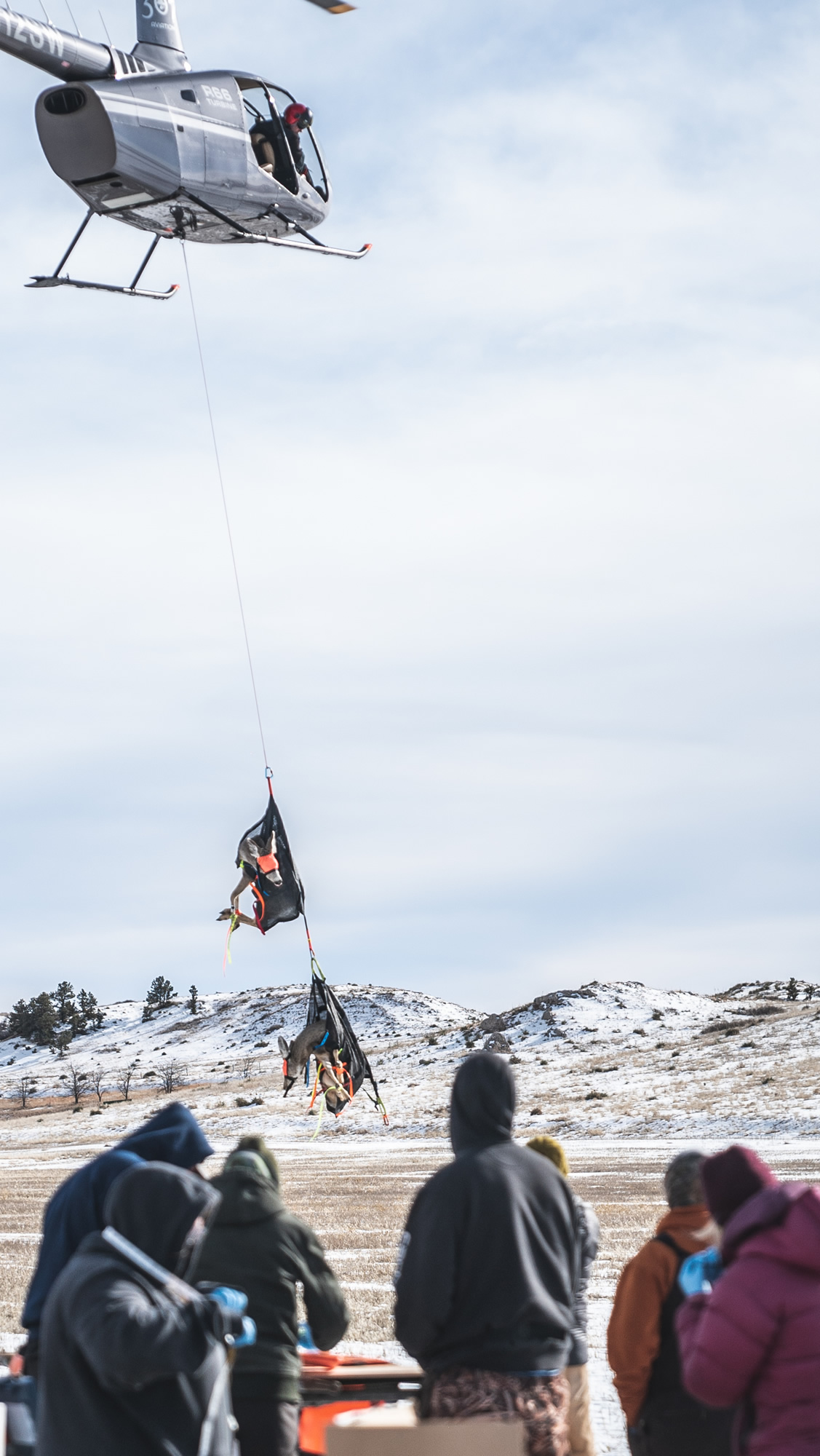
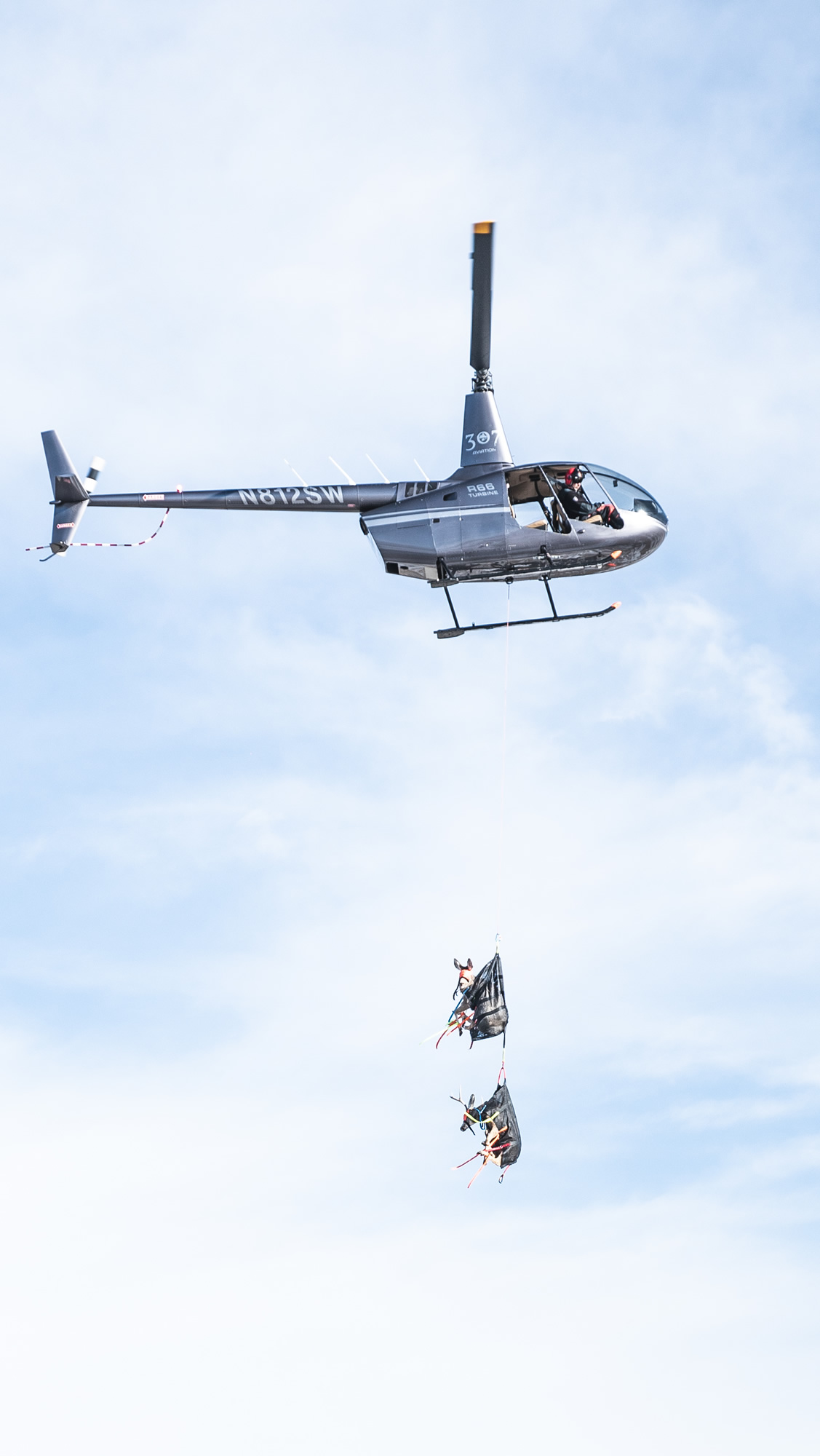
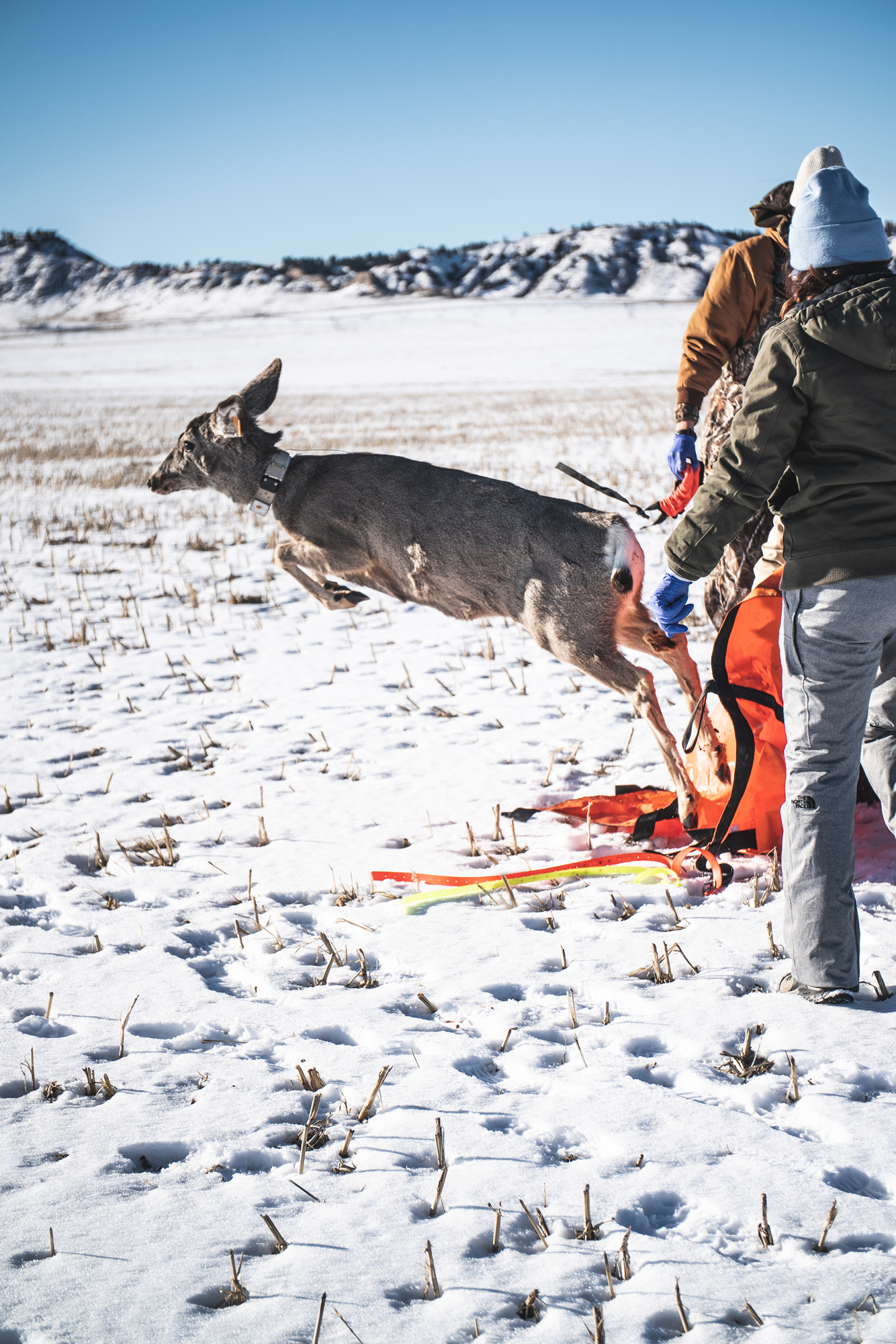
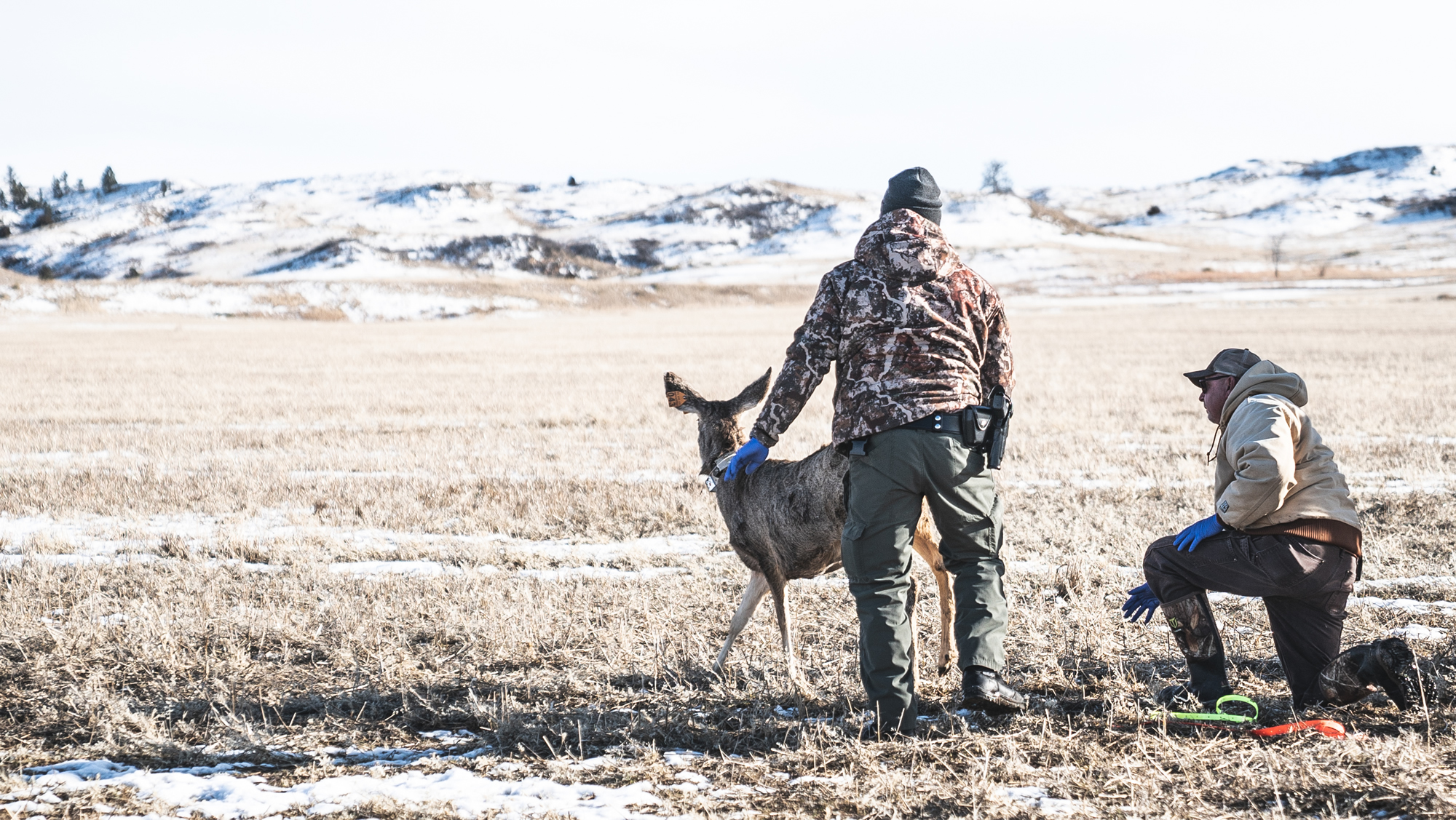
The Guardian is here to bring people closer to that work. From helicopter captures and collaring efforts to the science happening long after a deer is released, this project offers a firsthand look at what it takes to understand a changing mule deer population. By sharing the research and the people behind it, we hope to show how better information today can help sustain healthy herds, resilient landscapes, and hunting opportunities for generations to come.
Mule Deer Research in Nebraska
USDA
& Nebraska Game and Parks Commission


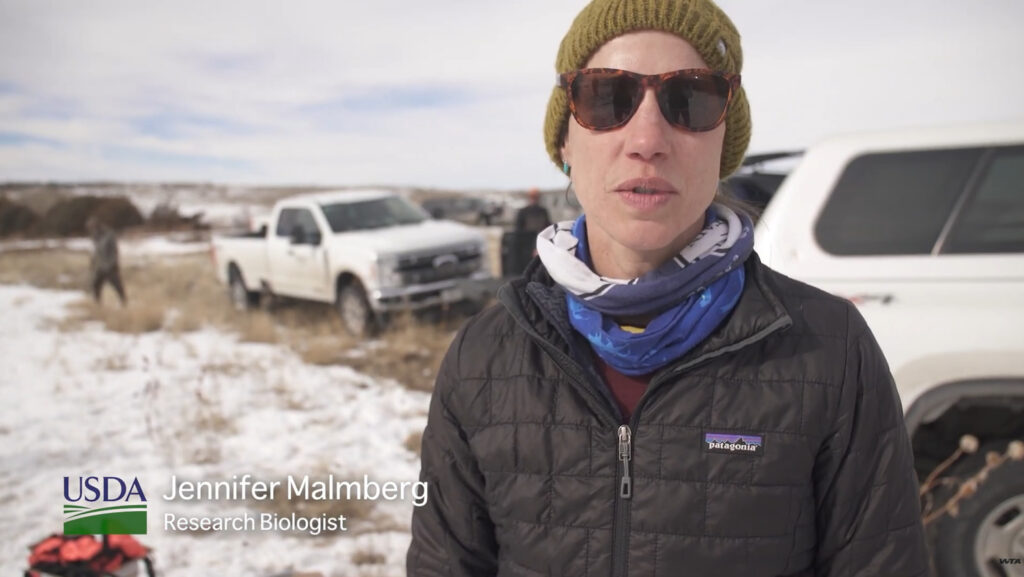
Jennifer Malmberg
USDA Research Biologist
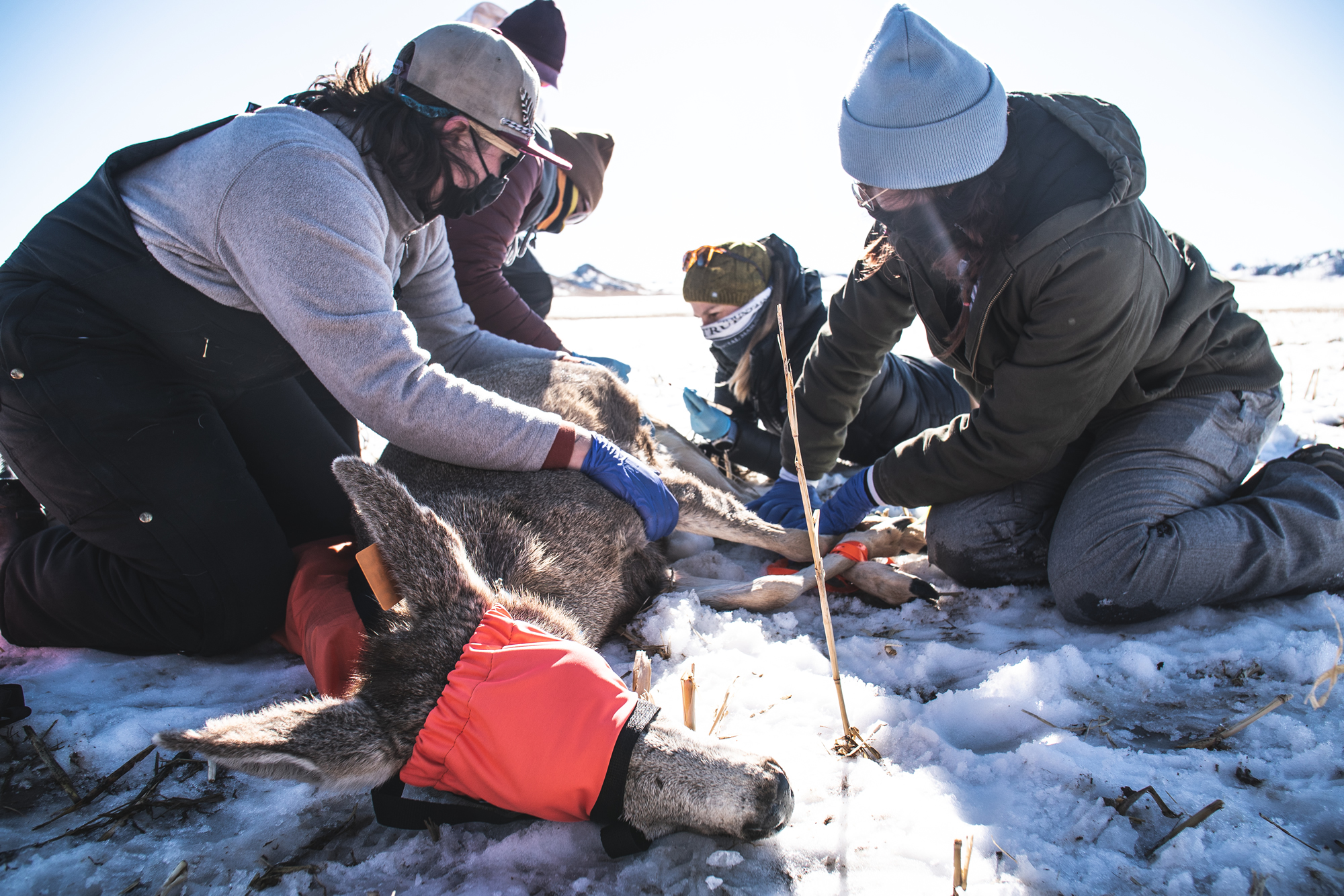
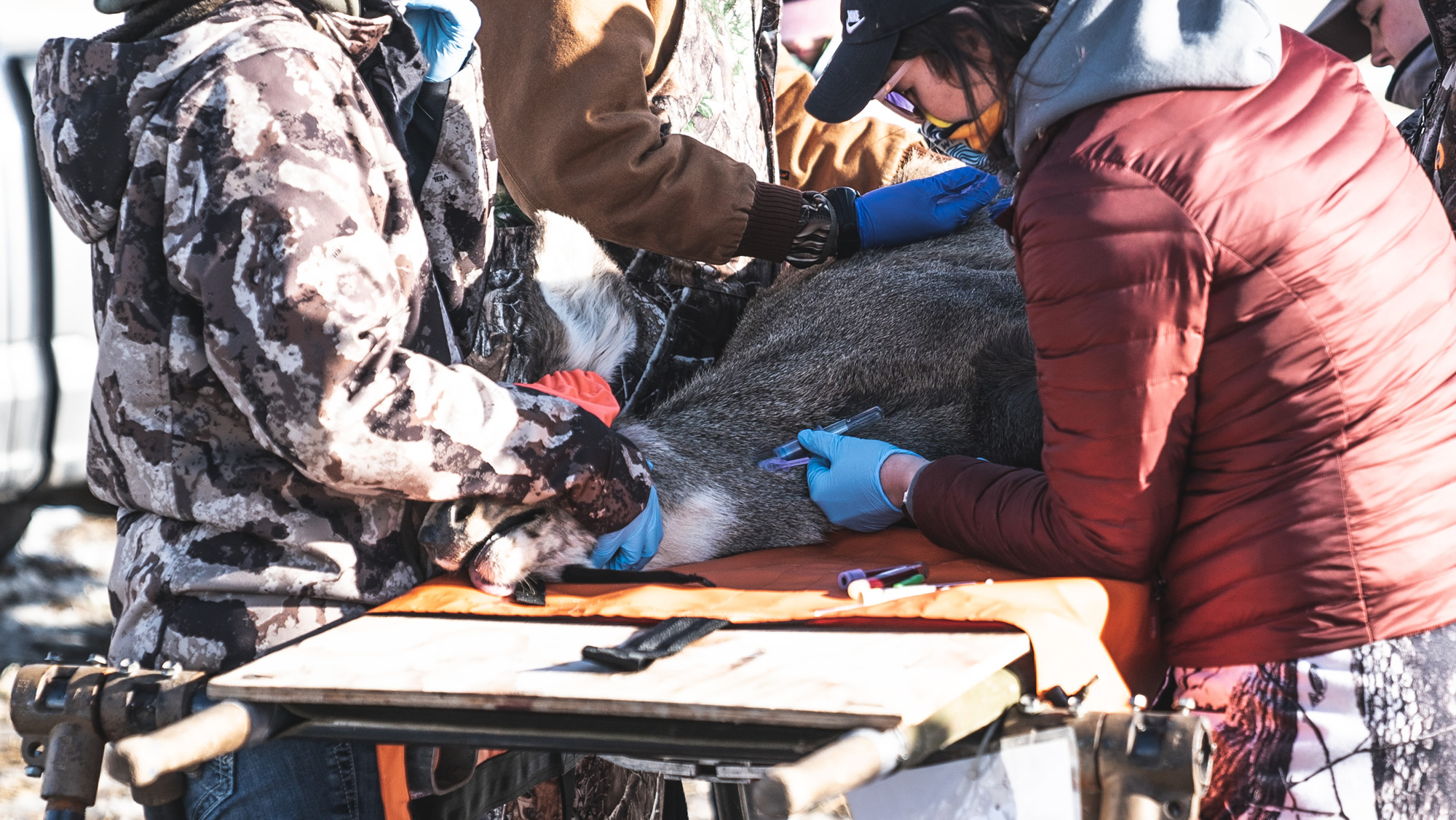
“The overarching goal of the Nebraska mule deer study is to better understand the impacts of chronic wasting disease (CWD) on the state’s mule deer populations. To date (07/14/26), 178 mule deer have been captured, marked with GPS collars and/or ear tags, and sampled for CWD testing, genetic analyses, and other health metrics.”
“To better understand survival and causes of mortality, we respond to mortality events and conduct thorough postmortem examinations whenever carcass condition allows. The leading causes of mortality identified to date include CWD, predation, and hunter harvest. Postmortem testing has revealed a CWD prevalence of 28% among collared deer that have died during the study.”
“Additional research objectives include developing antemortem diagnostic tests and evaluating resource selection by CWD-infected and uninfected deer. Ultimately, this research aims to provide wildlife managers with the information needed to support sustainable mule deer populations in Nebraska.”